
— The Complete Guide to White-Label Scheduling Systems:
Build vs. Buy
Technical architecture overview, hidden maintenance costs (calendar sync updates), and ROI analysis of time-to-market.
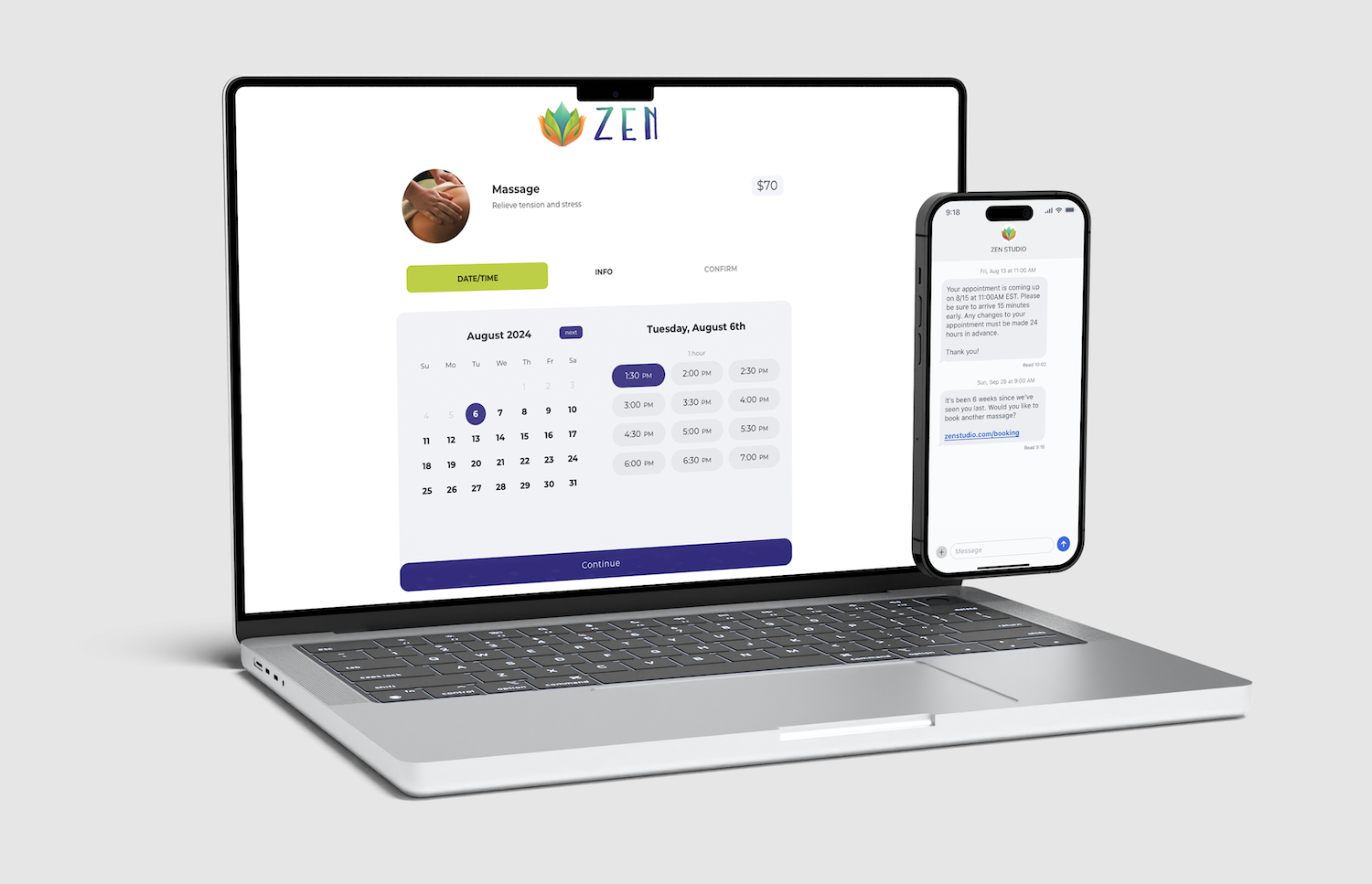
For B2B platforms, vertical SaaS providers, and enterprise-scale agencies, adding booking and scheduling capability to your core offering is an obvious lever for expanding average revenue per user (ARPU) and driving product stickiness. Every industry has a fundamental need to book appointments, manage physical space, or allocate labor.
However, many product teams fall into the trap of viewing a scheduling feature as a simple database table containing user IDs, timestamps, and open slots.
In reality, an enterprise-grade booking engine is a highly complex, multi-variable logistical layer. This blueprint provides a deep architectural breakdown of the hidden costs, long-term maintenance requirements, and time-to-market ROI considerations involved in the Build vs. Buy dilemma.
1. The Architectural Blueprint: Mapping the Complexity
To properly evaluate whether to build a custom solution or buy an infrastructure layer, product teams must map the minimum baseline requirements of a modern, multi-tenant scheduling application.
       [ Custom Front-End / Application UI ]
                         │
        ( REST / GraphQL API Gateway Layer )
                         │
     ┌───────────────────┼───────────────────┐
     ▼                   ▼                   ▼
┌─────────┐         ┌─────────┐         ┌──────────┐
│  Logic  │         │ Syncing │         │ Security │
│ Engine  │         │ Core    │         │  & RBAC  │
├─────────┤         ├─────────┤         ├──────────┤
│• Staff  │         │• Outlook│         │• Multi-  │
│• Space  │         │• Google │         │  Tenant  │
│• Assets │         │• Apple  │         │• SSO     │
│• Buffers│         │• CalDAV │         │• Compliance
└─────────┘         └─────────┘         └──────────┘
                         │
                         ▼
             [ Enterprise Data Layer ]
Building this ecosystem requires engineering teams to solve three highly intricate core problems:
-
Multi-Resource Concurrency: An appointment rarely relies on a single variable. The logic engine must simultaneously check and lock the availability of human labor, physical room real estate, and mechanical/diagnostic hardware assets.
-
Dynamic Rule Injection: The platform must support infinite, varying operational permutations—such as variable time-zone routing, location-specific pricing tiers, customizable buffer constraints, and adaptive client intake forms.
-
White-Label Depth: True white-labeling goes beyond injecting a tenant’s logo and a hex code into a CSS stylesheet. It requires providing custom sub-domain routing (
booking.yourcustomer.com), whitelisting outgoing email servers via custom DKIM/SPF settings, and establishing tenant-isolated database spaces.
2. The Hidden Costs of Ownership: Maintenance Realities
The primary risk of building custom scheduling infrastructure isn’t the initial development cycle; it is the permanent engineering overhead required to maintain it.
The Calendar Sync Maintenance Trap
The most volatile component of a custom build is maintaining sub-second, bi-directional calendar synchronization across thousands of end-user Microsoft Outlook 365, Google Workspace, and Apple iCloud accounts.
The Integration Reality: Third-party calendar APIs are notoriously unstable. Tech stacks change, authentication schemas evolve, and vendor rate limits shift without warning.
If your team chooses to build from scratch, you are committing to a permanent operational cycle of:
-
Continuous Auth Remediation: Building, maintaining, and security-patching OAuth 2.0 flows across different enterprise calendar providers.
-
Handling Token Invalidation: Building background workers to constantly manage and refresh expired tokens, preventing broken calendar connections that lead to double-bookings.
-
Mitigating Graph API Volatility: Constantly rewriting webhook listeners to adapt to sudden changes in Microsoft Graph or Google Calendar API payloads.
3. Financial and Resource ROI Analysis: A Direct Comparison
When evaluating the allocation of engineering capital, product leads must compare the true cost of an internal build against the time-to-market efficiency of utilizing an embedded, white-label infrastructure layer like Periodic.is.
| Evaluation Metric | In-House Engineering Build | White-Label Infrastructure Layer (Periodic) |
| Initial Time-to-Market | 9 to 14 months of dedicated development. | 2 to 4 weeks via native API integration. |
| Upfront Capital Expense | Estimated $150k – $350k+ in baseline developer salaries. | Predictable SaaS licensing with minimal setup cost. |
| Core Product Focus | Strategic engineering resources are pulled away to build utilities. | Engineers stay focused entirely on your core software value proposition. |
| Security & Compliance | Dedicated spending to achieve SOC 2, HIPAA, and GDPR readiness. | Pre-certified compliance infrastructure out of the box. |
| Maintenance Overhead | 1 to 2 full-time developers permanently assigned to bugs and API changes. | Managed entirely by the vendor via an enterprise SLA agreement. |
4. The White-Label Reseller Playbook: Architecture of a Partnership
For SaaS founders and agency networks, choosing a white-label booking partner means deploying a system that remains completely invisible to the end user. This allows you to leverage proven scheduling power while keeping your brand front and center.
  [ End Consumer ] ──► Sees ONLY your customer's brand (Private Label)
         │
  [ Your Customer ] ──► Sees ONLY your SaaS platform or Agency brand
         │
  [ Periodic.is ] ──► Completely headless infrastructure layer (Invisible)
Strategic Reseller Capabilities Available on Periodic
-
Headless API Flexibility: Build your own custom frontend scheduling interfaces using your own design language, while utilizing Periodic’s API endpoints to handle the underlying resource logic, calendar sync, and availability calculations.
-
Multi-Tiered Subtenant Management: Provision, suspend, and configure client booking profiles programmatically via an admin API. This lets you automate user onboarding when a new customer signs up for your platform.
-
Monetization & Markup Freedom: Treat the underlying booking engine as a high-margin revenue center. Bundle scheduling into your base software tiers, upsell it as a premium feature package, or bake it directly into your agency marketing retainers.
Build vs. Buy Strategic Assessment Checklist
Before allocating your next sprint cycle to custom scheduling development, ensure your product team can answer these operational questions:
-
[ ] Do we have the engineering bandwidth to dedicate 1–2 developers permanently to calendar API maintenance and security updates?
-
[ ] Will delaying our product launch by 9+ months to build an internal scheduler hurt our competitive position?
-
[ ] Is custom calendar synchronization a core differentiator that will make our software unique in the market?
-
[ ] Can our built-from-scratch database scale gracefully when thousands of multi-tenant businesses trigger concurrent booking transactions at the same time?
Ready to bring your brand experience in line?
Talk to our team to learn more about building your brand experience with Periodic’s booking platform.