Architecture, APIs, and Custom Booking Workflows
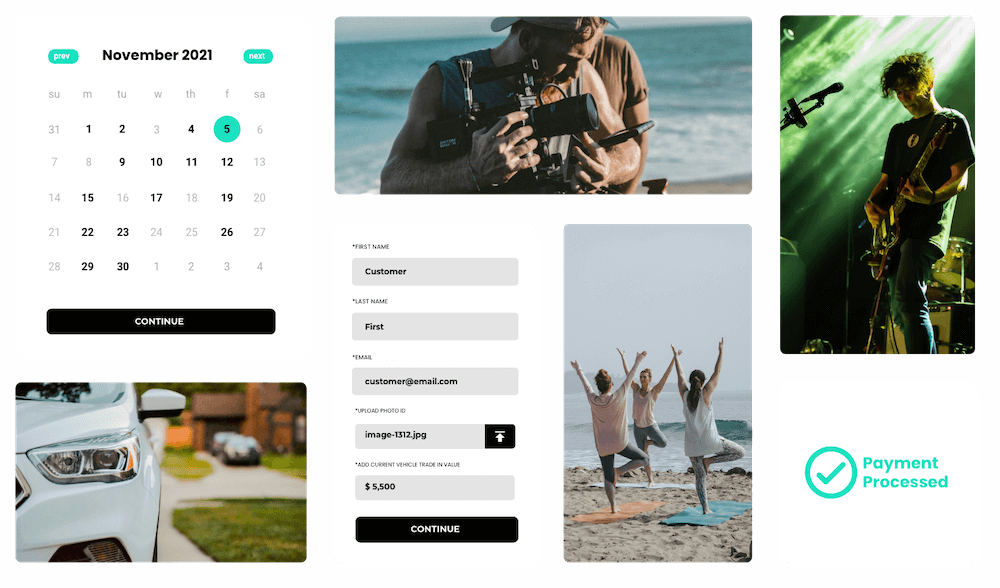
For enterprise applications, multi-tenant platforms, and scaled networks, traditional out-of-the-box booking widgets create a massive architectural bottleneck. They force front-end teams to rely on inflexible inline frames (iframes), break native mobile app design systems, and lock critical operational data inside unindexable, third-party containers.
When building a high-velocity product, scheduling should not be treated as a visual widget. It must be treated as stateless infrastructure.
A true headless scheduling system decouples the complex resource logic layer from the presentation tier. This engineering guide breaks down the architectural principles, API mechanics, and database design rules required to build and scale custom booking workflows using Periodic’s headless infrastructure engine.
1. Architectural Overview: Decoupled Logic Core
The headless architecture isolates time-slot calculation, time-zone translation, and resource locking into a high-throughput backend API. This allows your front-end teams to consume clean JSON payloads and render native booking interfaces on any platform—whether it’s a React-based single-page application (SPA), a native iOS/Android mobile app, or an automated voice/SMS interface.
┌────────────────────────────────────────────────────────┐
│             NATIVE PRESENTATION TIER (YOUR UX)         │
│    React/Vue Web SPA  │  Native iOS/Android App  │ SMS │
└───────────────────────────┬────────────────────────────┘
                            │ (JSON over HTTPS)
                            ▼
┌────────────────────────────────────────────────────────┐
│             API EDGE ORCHESTRATION GATEWAY             │
│          Authentication  │  Rate Limiting / WAF        │
└───────────────────────────┬────────────────────────────┘
                            │
                            ▼
┌────────────────────────────────────────────────────────┐
│              PERIODIC HEADLESS SCHEDULING CORE         │
│   ┌───────────────────┐ ┌──────────────────────────┐   │
│   │ Availability Engine│ │ Concurrency Mutex Manager│   │
│   └─────────┬─────────┘ └────────────┬─────────────┘   │
│             │                        │                 │
│             ▼                        ▼                 │
│   ┌────────────────────────────────────────────────┐   │
│   │ Multi-Tenant Resource Dependency Matrix        │   │
│   │ [Staff IDs]   +   [Room IDs]   +   [Asset IDs] │   │
│   └────────────────────────────────────────────────┘   │
└───────────────────────────┬────────────────────────────┘
                            │
                            ▼
┌────────────────────────────────────────────────────────┐
│            ENTERPRISE COMPLIANCE & STORAGE             │
│   SOC 2 Type II  │  HIPAA Vaults  │  Audit Event Stream│
└────────────────────────────────────────────────────────┘
2. API Mechanics for High-Velocity Time-Slot Generation
The core function of a headless booking API is converting a highly variable array of resource parameters into a predictable, chronological matrix of available time slots.
The Vectorized Availability Request
To retrieve available slots for a multi-resource service (e.g., a medical spa treatment requiring a specific practitioner, a dedicated room, and an asset), the client application issues a structured POST or GET request to the availability orchestrator endpoint.
Endpoints & Payload Architecture
POST [https://api.periodic.is/v1/availability/query](https://api.periodic.is/v1/availability/query)
JSON
{
  "tenant_id": "tx_enterprise_9901",
  "location_id": "loc_austin_north_01",
  "service_code": "srv_laser_peel_premium",
  "range_start": "2026-07-01T00:00:00Z",
  "range_end": "2026-07-07T23:59:59Z",
  "client_timezone": "America/Chicago",
  "required_resources": {
    "staff_constraints": {
      "any_of_tags": ["tier_3_practitioner", "laser_certified"]
    },
    "fixed_assets": {
      "room_type": "treatment_bay_class_b"
    },
    "mobile_assets": [
      "hdw_laser_scanner_v4"
    ]
  },
  "buffer_overrides": {
    "pre_service_padding_minutes": 10,
    "post_service_cleanup_minutes": 15
  }
}
The Engine’s Matrix Resolution Output
The engine runs an atomic intersection evaluation across the independent schedules of the assigned staff, the room, and the device asset. It then applies time-zone shifts and returns an array of verified bookable vectors:
JSON
{
  "status": "success",
  "meta": {
    "calculated_at": "2026-06-15T21:05:12Z",
    "timezone_evaluated": "America/Chicago"
  },
  "available_slots": [
    {
      "slot_start": "2026-07-01T09:00:00-05:00",
      "slot_end": "2026-07-01T10:00:00-05:00",
      "allocation_token": "tok_alloc_hash_abcdef123456",
      "resource_combination": {
        "staff_id": "usr_dr_jones_77",
        "room_id": "rm_cleanroom_04",
        "asset_id": "hdw_laser_scanner_v4_unit_b"
      }
    },
    {
      "slot_start": "2026-07-01T10:30:00-05:00",
      "slot_end": "2026-07-01T11:30:00-05:00",
      "allocation_token": "tok_alloc_hash_xyz789012345",
      "resource_combination": {
        "staff_id": "usr_dr_smith_12",
        "room_id": "rm_cleanroom_04",
        "asset_id": "hdw_laser_scanner_v4_unit_b"
      }
    }
  ]
}
3. Mitigating Race Conditions: Concurrent Availability Logic
In high-volume consumer booking apps, scale introduces a major technical threat: The Race Condition. If two users on separate clients select the exact same time slot for a unique resource simultaneously, a naive system will double-book the slot.
Periodic solves this at the database engine tier using an Optimistic Locking with Distributed Memory Mutexes (Mutual Exclusions) paradigm.
 User Client A ──► T1: Requests Slot (09:00) ──► Mutex Lock Acquired ──► T3: Complete Booking (200 OK)
                                                        │
 User Client B ──► T2: Requests Slot (09:00) ───────┼──► Lock Blocked    ──► T4: Allocation Expired / Fail (409 Conflict)
                                                        ▼
                                           [ 5-Min Expiration Window ]
The Allocation Flow Lifecycle
-
State-Level Isolation: When a user picks a time slot but before they enter payment data, the front-end fires a claim request using the short-lived
allocation_token. -
Distributed Lock Claim: The engine sets a hard memory state reservation on the specific resource IDs for a finite window (e.g., 300 seconds).
-
Conflict Rejection: If a second user submits a booking intent for those same resource blocks during that window, the API immediately throws a
409 Conflictexception, allowing your frontend UI to gracefully prompt the second user to choose a different time slot without corrupting your database.
4. Custom Data Schemas: Extensible EAV Metadata Layers
Enterprise booking platforms rarely collect just a simple name and email. Medical networks require clinical triage codes, automotive groups need vehicle identification numbers (VINs), and tutoring platforms track student learning history.
To prevent developers from having to maintain a separate external database just to map secondary customer details, Periodic utilizes an advanced, extensible Entity-Attribute-Value (EAV) Metadata Schema.
    [ CORE APPOINTMENT ENTITY ]
  • appointment_id: "apt_77201"
  • status: "confirmed"
             │
             ▼
    [ METADATA EXTENSION LEDGER ]
  ┌──────────────────────┬────────────────────────┐
  │ Attribute Key        │ Value Object           │
  ├──────────────────────┼────────────────────────┤
  │ core_vin_number      │ "1FA6P8CF0H5XXXXXX"    │
  │ safety_clearance_req │ true                   │
  │ custom_intake_payload│ { "json_blob": true }  │
  └──────────────────────┴────────────────────────┘
You can pass structured custom data directly into the core object graph during booking initialization. This payload stays indexed and searchable via downstream API query filters:
JSON
{
  "appointment_id": "apt_77201_xyz",
  "customer_identity": {
    "external_crm_id": "sf_lead_001Q000001xyz"
  },
  "metadata": {
    "enterprise_vin_number": "1FA6P8CF0H5XXXXXX",
    "hazard_clearance_required": true,
    "telehealth_session_parameters": {
      "encryption_protocol": "AES-256",
      "routing_node": "us-east-aws-1"
    }
  }
}
5. Security, Isolation, and Enterprise-Grade Compliance
For compliance teams, a headless infrastructure integration must maintain strict boundaries around data privacy, data classification, and security protocols.
| Security Layer | Technical Execution Architecture |
| Data Partitioning | Multi-tenant isolation at the data-access object (DAO) level. Database tables use row-level security (RLS) policies to completely prevent unauthorized cross-tenant data leaking. |
| Regulatory Compliance | Built-in technical architectures that conform directly to HIPAA compliance guidelines (including data encryption at rest via AES-256 and in transit via TLS 1.3), alongside full SOC 2 Type II certifications. |
| Audit Log Aggregation | Every structural API mutation event generates an immutable, signed cryptographic event block. These event streams can stream directly into your enterprise SIEM log monitoring ecosystems (such as Splunk, Datadog, or AWS CloudWatch) via real-time webhooks. |
Headless Architecture Evaluation Checklist
Ensure your backend scheduling strategy can handle enterprise-grade production workloads:
-
[ ] Can your developers build a completely custom booking experience using raw JSON payloads, without being forced to use an iframe?
-
[ ] Does your platform architecture explicitly prevent race conditions when thousands of users attempt to book the same resource at the same millisecond?
-
[ ] Can you inject complex, multi-nested JSON metadata structures directly into the core appointment schema without breaking your database layout?
-
[ ] Is your scheduling data architecture isolated down to the row level to pass strict SOC 2 Type II security audits?
Ready to bring your brand experience in line?
Talk to our team to learn more about building your brand experience with Periodic’s booking platform.